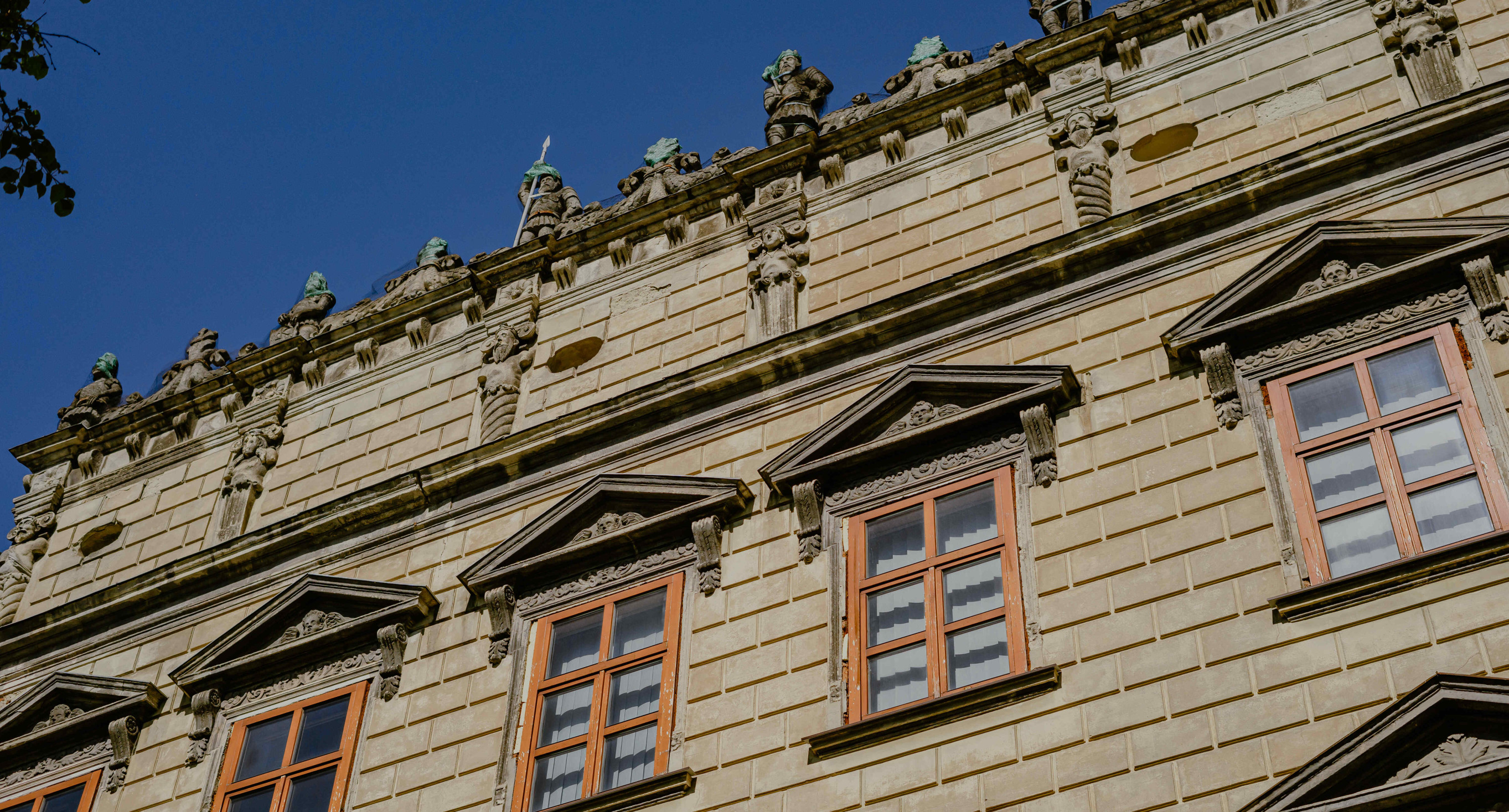
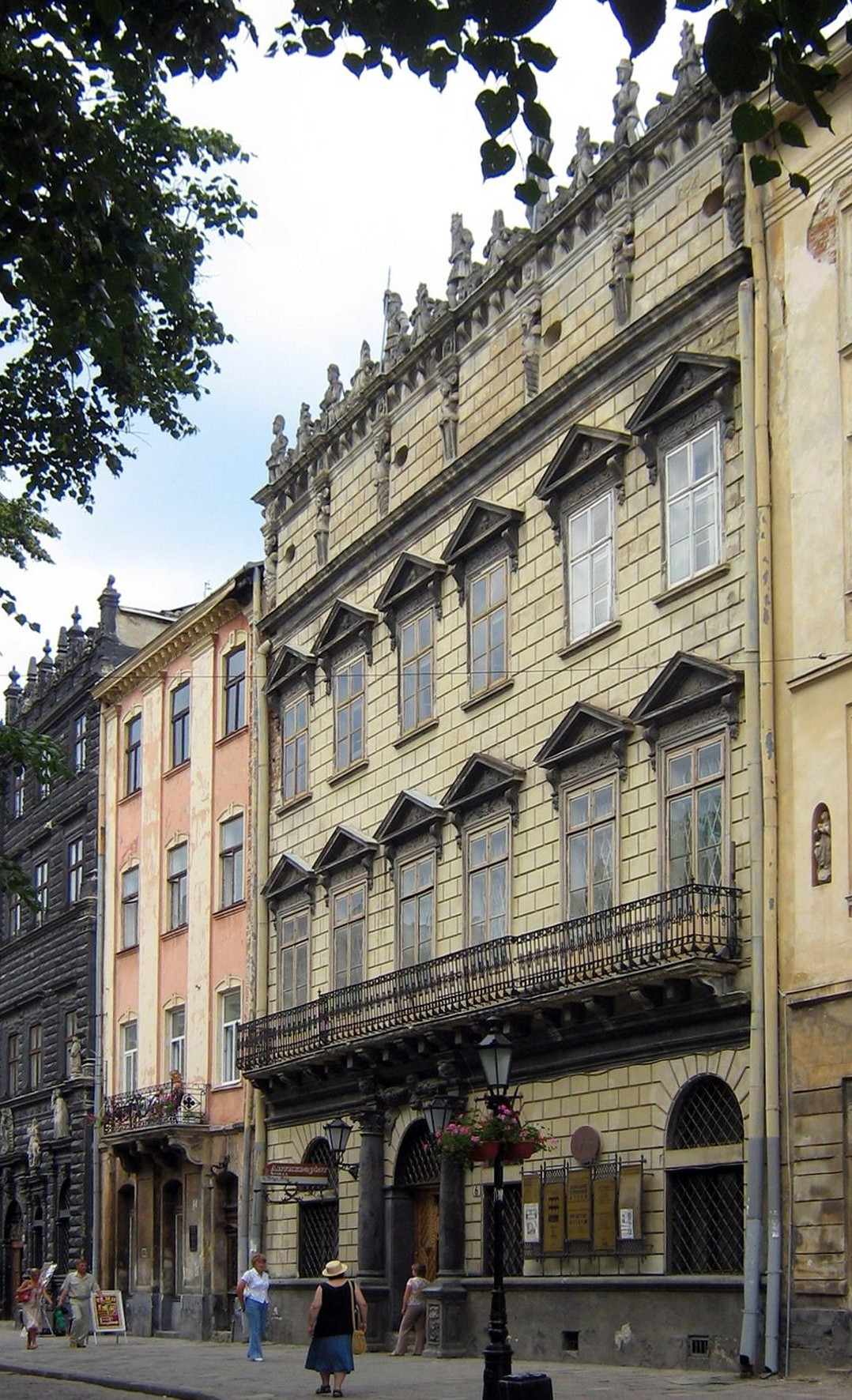
At the end of the 16th century, a Greek merchant Konstanty Korniakt bought two houses located on the place of the modern building. He was the richest citizen in Lviv and for several years served as a Chief Customs Officer of the East Slavic lands in the Polish-Lithuanian Commonwealth.
Price:
- Royal Halls: adult ticket — 100 UAH; discounted — 50 UAH |
- Italian Courtyard: adult ticket — 20 UAH; discounted — 10 UAH
According to his request, Italian architects Pietro Barbone and Paolo Dominici Romanus rebuilt the houses and turned them into a magnificent palace. While preferred guests were visiting him, Korniakt used to treat guests with the best Mediterranean wines from his own cellars. After his death, his descendants sold the house and it eventually became a property of Jakub Sobieski, the father of the future Polish king, Jan III. Since then, the palace has received its second name - "Royal".
In 1634, for a short period of time another Polish king, Ladislaus IV Vasa, lived here. Since 1908 and up to now, there is a museum in the palace.

The Italian courtyard
The Korniakt Palace has its inner courtyard, known in Lviv as "the Italian courtyard".It was created in the time of King Jan III Sobieski, after two palace buildings were combined. For some time the famous Italian-origin wife of the king - Marie Casimire Louise de La Grange d'Arquien, better known as Marysieńka, lived there. The cosy inner courtyard surrounded by three-floor open galleries gives a sense of open space and at the same time has great acoustics. Nowadays, it is one of the best places for musical concerts and performances.
So, the building was constructed in 1580 on the site of two Gothic townhouses, based on the design of Italian architects Pietro Barbon and Paolo the Roman (Paweł Rzymianin). Despite the fact that Korniakt became a nobleman and was even married to Anna Dzieduszycka (who came from one of the most prominent families of the Polish–Lithuanian Commonwealth), he did not give up the wine trade. Above the entrance door of the townhouse hung a spruce branch — a kind of sign indicating that a winery was located here.
In winter, visitors could sit by a warm fireplace, enjoying a glass of hot wine with sugar and spices. By the way, only wealthy guests were admitted to the winery. The wine hall was located on the ground floor of the building and was lit by oil lamps — this is evidenced by metal rings embedded in the ceiling (which have survived to this day) to which the lamps were attached. The wine was stored in the cellars and brought upstairs using a lift.
After Korniakt’s death, the building passed to his descendants, who later sold it to Carmelite monks. The townhouse then came into the possession of Jakub Sobieski and was later inherited by his son, the Polish king Jan III Sobieski, who made it his residence. This is where its second name — the Royal Townhouse — comes from. Notably, the first restoration was carried out during this period. In 1678, a high attic was added, decorated with sculptures of the king and six knights.
Over time, the building changed owners several times. Its museum history began in 1908, when it was sold to the community of Lviv, and the National Museum of King Jan III was established within its walls. In May 1940, the Lviv Historical Museum was opened here.
The exhibition is impressive. What’s worth seeing?
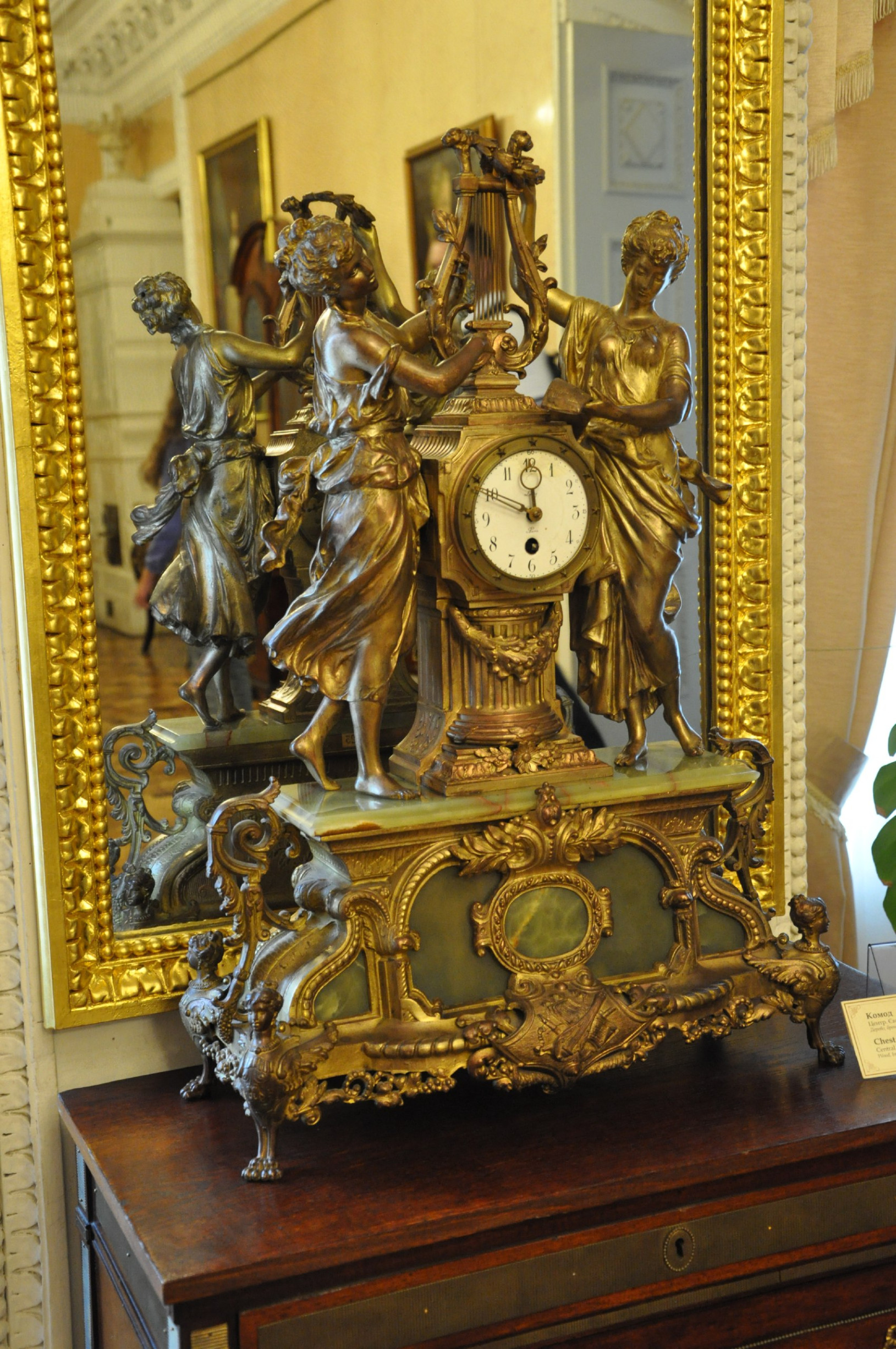
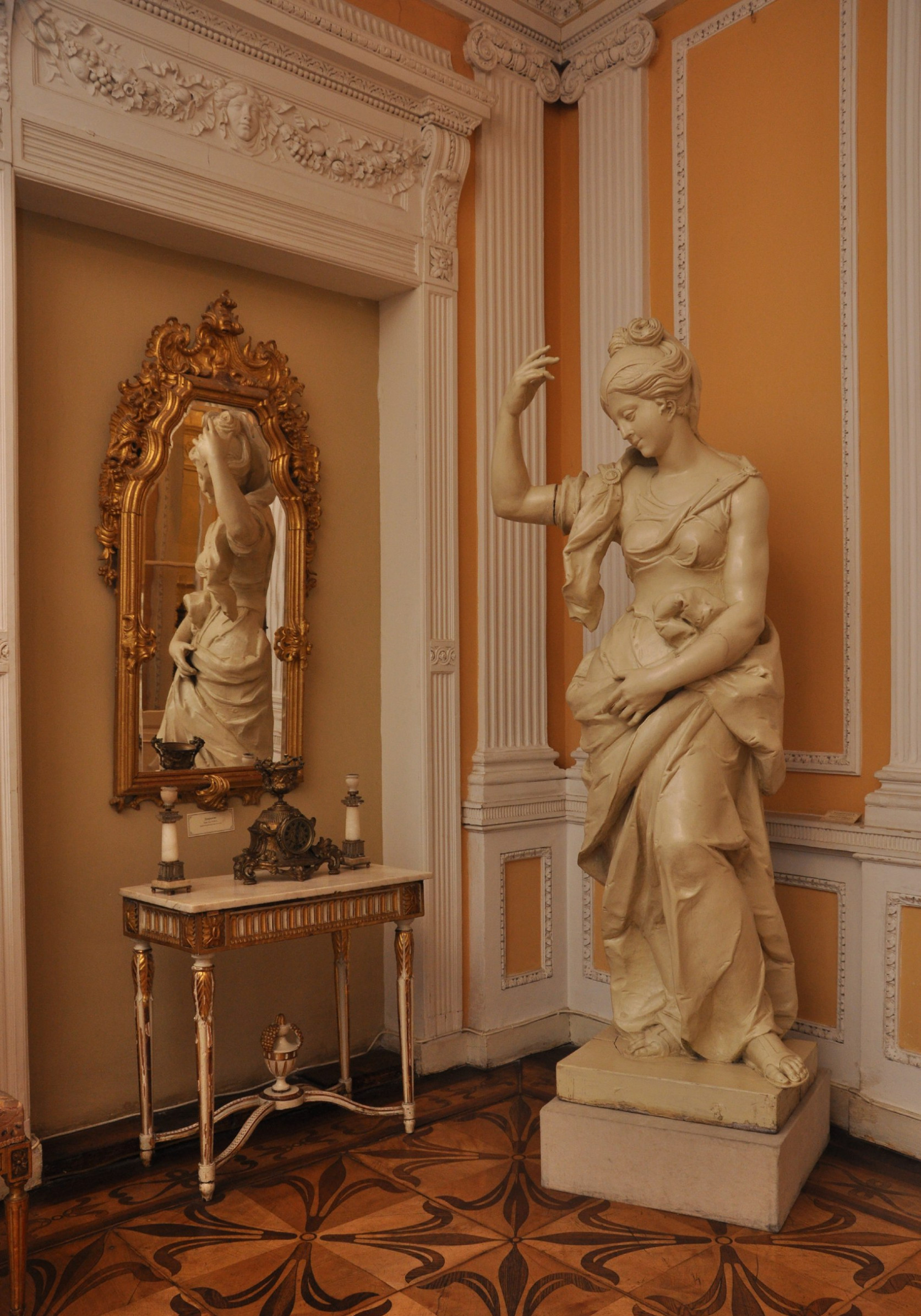
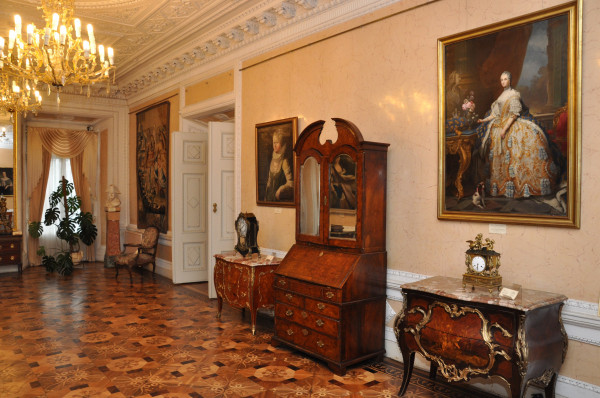
We recommend visiting the Royal Halls museum, located on the second floor of the palace. Four rooms display paintings, sculptures, examples of salon furniture, porcelain, and musical instruments.
In particular, you can see artifacts from the 16th–19th centuries, the mysterious black “dragon” chair (also known as the “Devil’s chair”), whose shape indeed resembles a winged dragon; a pianoforte — an instrument from Mozart’s era and a predecessor of the modern piano; men’s and women’s secretary cabinets with hidden safes and numerous drawers; a large collection of antique European orders and decorations; a still-functioning 19th-century Symphonion music box with a programmed melody; antique clocks (including a sundial and a star clock); porcelain tableware and figurines; and a round table featuring a phoenix — a symbol associated with Lviv Freemasonry.
Despite numerous reconstructions, the 15th-century Gothic Hall has been preserved here — the only example of secular Gothic architecture in Lviv.
You will also be impressed by the preserved 19th-century palace interiors: beautifully decorated walls, stucco ceilings with crystal chandeliers, and antique parquet floors and staircases that are over two hundred years old.

ITALIAN COURTYARD
The Italian Courtyard is undoubtedly the highlight of the Korniakt Palace and one of the most romantic locations in Lviv. The courtyard is surrounded by three-tiered open galleries. The walls are decorated with paintings, and the view from the balconies allows you to enjoy the courtyard panorama. It is completely soundproof, so you won’t hear the noise from the nearby Market Square. In the summer season, a café operates here, and thanks to its excellent acoustics, the courtyard often hosts musical evenings.
In addition, the courtyard houses a stone lion (the Lorencovych Lion) — one of the oldest lions in Lviv. At the end of the 16th century, it stood on a column in front of the City Hall as a symbol of the city.
In the Italian Courtyard, you can also see a pranger — a pillory. Such a column once stood in Market Square. It depicts the figures of an executioner and the goddess of justice, Themis, standing back to back. In the past, criminals were punished near this pillar, or minor offenders — thieves, troublemakers, and drunkards — were chained to it with special rings, thus being “exposed to public shame.” Since the original, dating back to the 16th century, was in a semi-ruined condition, a replica was commissioned by the Lviv Historical Museum and is now displayed here in the courtyard.
The Italian Courtyard also preserves a white marble tombstone with carved ornamentation. This is a khachkar — an Armenian memorial stone, a stele with a carved cross. Such stones were typically placed on the grounds of Armenian churches, along roads, or in monasteries.